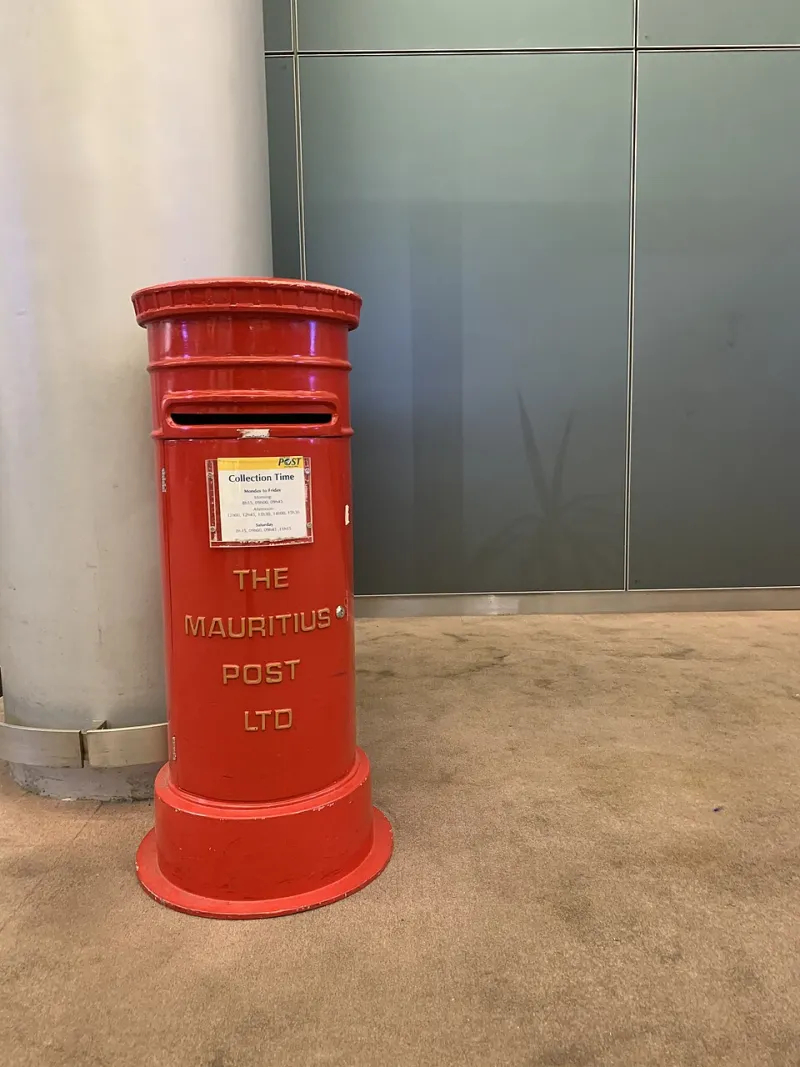
A Door Left Ajar: The Quiet Power of a Seasonal Excerpt Collection

Every independent press lives with a useful paradox: the catalog is the best argument for the press and the least visible part of it. A reader may adore one novel and never learn that the same house also publishes essays, translations, or a strange little history of American roadside motels. A seasonal sampler—a free, curated collection of excerpts from forthcoming and backlist titles—solves that problem without shouting. At Red Door Publishing, we think of it as the publishing equivalent of leaving the front door ajar: not a sales pitch, just a welcome.
A Threshold, Not a Giveaway
The first mistake is treating a sampler as a promotional dump. Ten chapters pulled at random, a dozen covers, a coupon code—that is not an invitation. It is a pile. A good sampler has a point of view. It should feel like a house with rooms in it, not a flyer taped to a lamppost.
That means fewer excerpts, chosen with care, and a clear through-line. A reader should finish the sampler knowing not just what you publish but how you publish: the kind of sentences you favor, the subjects you return to, the risks you are willing to take. For an indie press, that last part matters. Large houses can afford to be vague; their catalogs are already in the air. A smaller press has to demonstrate its taste. A sampler is one of the few places where taste is visible before purchase.
It also gives aspiring authors a way to audition the press from the reader's side. If a writer reads three excerpts and thinks, My book could live here, the sampler has done more than sell a title. It has clarified a relationship.
What Earns a Place
Eight to twelve pieces is usually enough. More than that and the sampler becomes a magazine; fewer and it may feel thin. Mix forthcoming titles with backlist, and include at least one nonfiction piece and one work of fiction. The point is range without randomness.
Excerpts should stand alone. Choose scenes with a clean entry and exit, not a cliffhanger that feels like a bait-and-switch. For nonfiction, a self-contained passage or a short argument works better than a table of contents and a preface. For poetry, include two or three complete poems rather than a fragment. Avoid the first chapter that spends four pages on weather. Look for the page where a reader can hear the book's voice and feel its stakes.
A short editor's note before each excerpt can help—two or three sentences on why this piece belongs in the room. Keep it warm and specific. Do not summarize the plot. Point to the pleasure.
The Rights Conversation Comes First
Before layout, confirm permissions. Most publishing contracts include promotional uses, but promotional can be a foggy word. Get written permission for each excerpt, even when the contract seems to cover it. Specify the formats (print, PDF, EPUB), the term, the territory, and whether the sampler can be archived online. If a title is licensed from another publisher or agent, ask early; do not assume the original agreement travels.
Keep the author in the loop. A sampler is not a substitute for the book, and it should never spoil a reveal the author has carefully built. Credit every excerpt with the title, author, and publication date. If the sampler is sold—even at cost—revisit the permission language. Free is simpler, but free is not the same as unregulated.
Design That Feels Like a Room
A sampler should look like it belongs to the press, not like a file exported from a template. Use a consistent typeface, generous margins, and a cover that carries the house identity without looking like a catalog cover from a trade show. The red door can appear as a small mark, a section divider, or a quiet motif—not a logo stamped on every page.
Digital files should be accessible: proper headings, alt text, and a reading order that makes sense. Offer a PDF for desktop readers and an EPUB for phones. Print a slim booklet if the budget allows—saddle-stitched, uncoated stock, something a reader might keep. Include a table of contents with page numbers, one-line descriptions, and a clear page on how to order the full titles. A QR code can point to the shop, but do not make every page a QR code. Test the file on a phone before you send it anywhere.
Distribution: Meet Readers Where They Already Are
Do not hide the sampler behind a form. Put it on the website, link it in the newsletter, and hand it out at events. Send print copies to independent bookstores that stock your titles, to library Friends groups, and to regional book festivals. Include it in press kits and reviewer mailings. If a bookstore hosts a reading, leave a stack by the register.
Track lightly. Downloads, QR scans, and newsletter signups are useful; surveillance is not. The goal is recognition, not a funnel. A reader who keeps the sampler for a year and finally buys one book in the spring is still a win.
The Measure of a Good Sampler
Success is not only conversion. It is recognition. A sampler can become a seasonal habit—named consistently, archived, and refreshed each year. Readers begin to look for it. Booksellers begin to use it. Writers begin to read it before they submit, which is exactly what a press with a clear point of view wants.
A catalog is a list. A sampler is a hand on the door. Leave it ajar, and the right readers will come in.