The Handshake Clause: A Plain-Language AI Policy for Indie Presses

Photo by Photo by SumUp on Unsplash on Unsplash
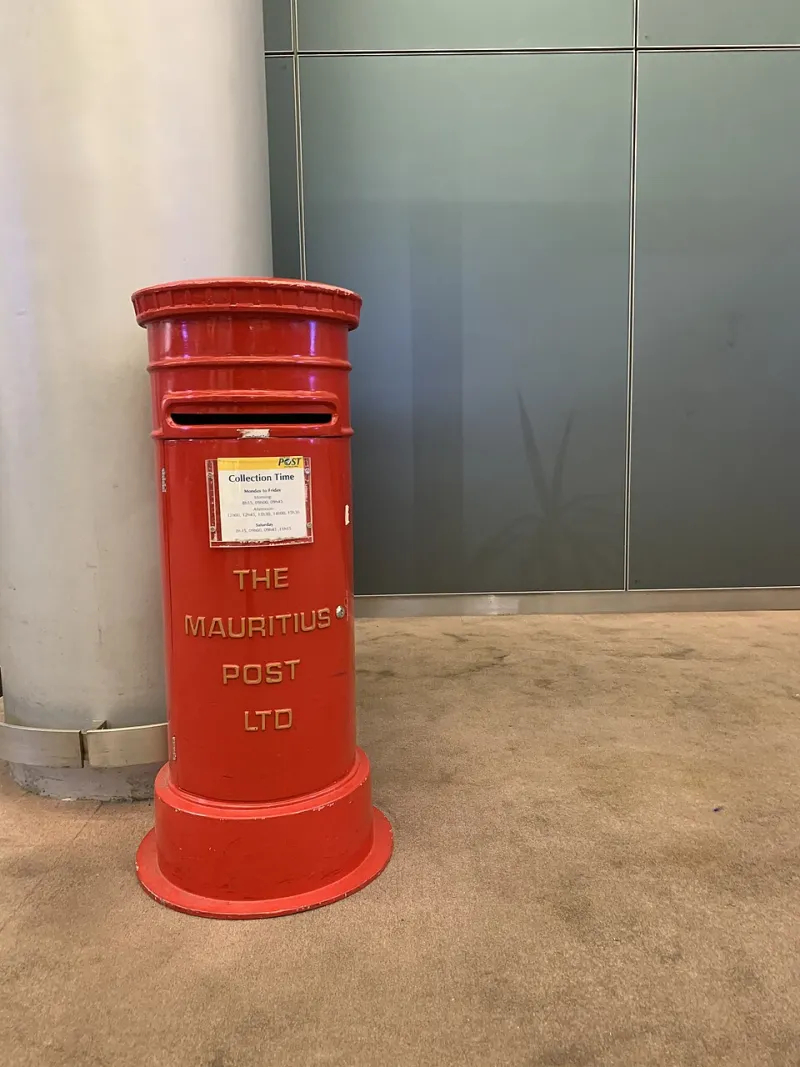
“The red door has always been a promise: you knock, a human being reads your work, and the answer comes back with a name attached. In 2026, that promise needs a sentence or two more. Writers are asking questions independent presses did not have to answer five years ago. Did a human write this? Did a machine? Where is the line between a spell-check and a ghostwriter? A plain-language AI policy, published right beside the submission guidelines, is the cheapest trust-building tool an indie press has. It does not need to be a manifesto. It needs to be clear, short, and written for people, not platforms.
Silence Is a Policy, Too
When a press says nothing about AI, authors fill the gap. Some assume the worst: that manuscripts are being scanned, flagged, or quietly fed into a detector. Others assume anything goes. Both assumptions cost you submissions. The first scares off careful writers who have nothing to hide. The second invites work that does not match your list. Neither is a good look for a press whose brand rests on the idea that every book is a handshake.
A written policy does something simpler and more powerful: it tells writers what kind of house they are knocking on. It says, in effect, we care about this question, and we have thought about it. That is hospitality. It is also self-defense. If a dispute arises later, a press with a clear disclosure standard can point to the guidelines instead of improvising.
Three Tiers, Not a Trap
The most useful AI policies separate tools into three buckets. The labels can change; the logic should not.
First, permitted use. These are tools that support a writer’s own thinking without replacing it: spelling and grammar checkers, dictionary and thesaurus lookups, citation managers, accessibility tools that read text aloud, and basic word-processing features. No disclosure needed. A writer should not have to confess to running spell-check any more than they confess to using a keyboard.
Second, disclosed use. This is the middle ground, and it is where most of the real ambiguity lives. Outlining assistance, brainstorming prompts, research summaries, translation drafts, and structural feedback from a language model belong here. The writer still makes the choices, but the process includes a tool that shaped the path. Ask for a short note in the cover letter: what was used, at what stage, and what the writer did with it. That is not a confession. It is a paper trail.
Third, prohibited use. Generating prose, poetry, or substantial sections of a manuscript by prompt and presenting it as original writing. Fabricating citations or quotes. Submitting a machine-generated manuscript with no meaningful human drafting. These are the lines most presses actually care about, and they should be stated plainly. Prohibited does not mean illegal. It means not right for this house.
Make Disclosure Small Enough to Actually Happen
A policy fails if it asks for a second essay. The disclosure should fit in a sentence or two, and it should live in the cover letter or a short form field, not in a separate document that writers will skip. Something like: “I used a language model to brainstorm chapter outlines and to check grammar. All drafting and revisions are my own.” That is enough for an editor to understand the shape of the work.
Presses should also say what they will do with that information. Will it affect editorial judgment? Will it be shared? Will it be used to screen a manuscript out before a human reads it? If the answer is no, say no. If a press uses an AI detector, it should disclose that too, along with the limits. Detectors are imperfect, especially for neurodivergent writers and non-native English speakers. A positive flag should never be the only reason a door closes. Build in a human review step, and say so.
Protect the Human Hand Without Policing It
The point of an AI policy is not surveillance. It is authorship. Readers buy indie books because they want a voice, a perspective, a person behind the pages. Editors want to work with writers who can revise, explain their choices, and stand behind their sentences. A good policy protects that relationship by making expectations mutual.
That means the policy should also commit the press to something. For example: We will not use generative AI to write editorial feedback, rejection letters, or contracts. We will not scan submitted manuscripts with AI tools without telling you. We will keep a human editor in the loop at every decision point. These commitments matter. They turn a list of rules into a compact.
A Sample You Can Adapt
Here is a short version a press could publish in 2026 with minor edits:
“We welcome submissions from writers who use everyday tools, including spelling and grammar checkers. If you used a language model for brainstorming, outlining, research summaries, translation drafts, or structural feedback, tell us briefly in your cover letter. We do not accept manuscripts written primarily by AI and presented as original work. We do not use AI detectors as the sole basis for rejection. A human editor reads every submission that reaches our queue. We will not use generative AI to write feedback or decisions. Questions? Ask us. We would rather have a conversation than a gotcha.”
That is roughly 100 words. It will not answer every edge case, and it does not need to. It gives writers a way to be honest and gives editors a way to be fair.
The Door Still Opens
Indie publishing has always been a human-scale business. The red door is not a security gate; it is an invitation. An AI policy, written in plain language and posted where writers can find it, keeps that invitation honest. It says we know the tools are changing, we know you have questions, and we are still here, reading. In 2026, that may be the most welcoming sentence a press can publish.”